
Marilyn Monroe: Beauty, Vulnerability and the Search for Freedom
From my first portraits to an exploration of feminine identity and transformation
Marilyn I (2003)
Marilyn II (2003)
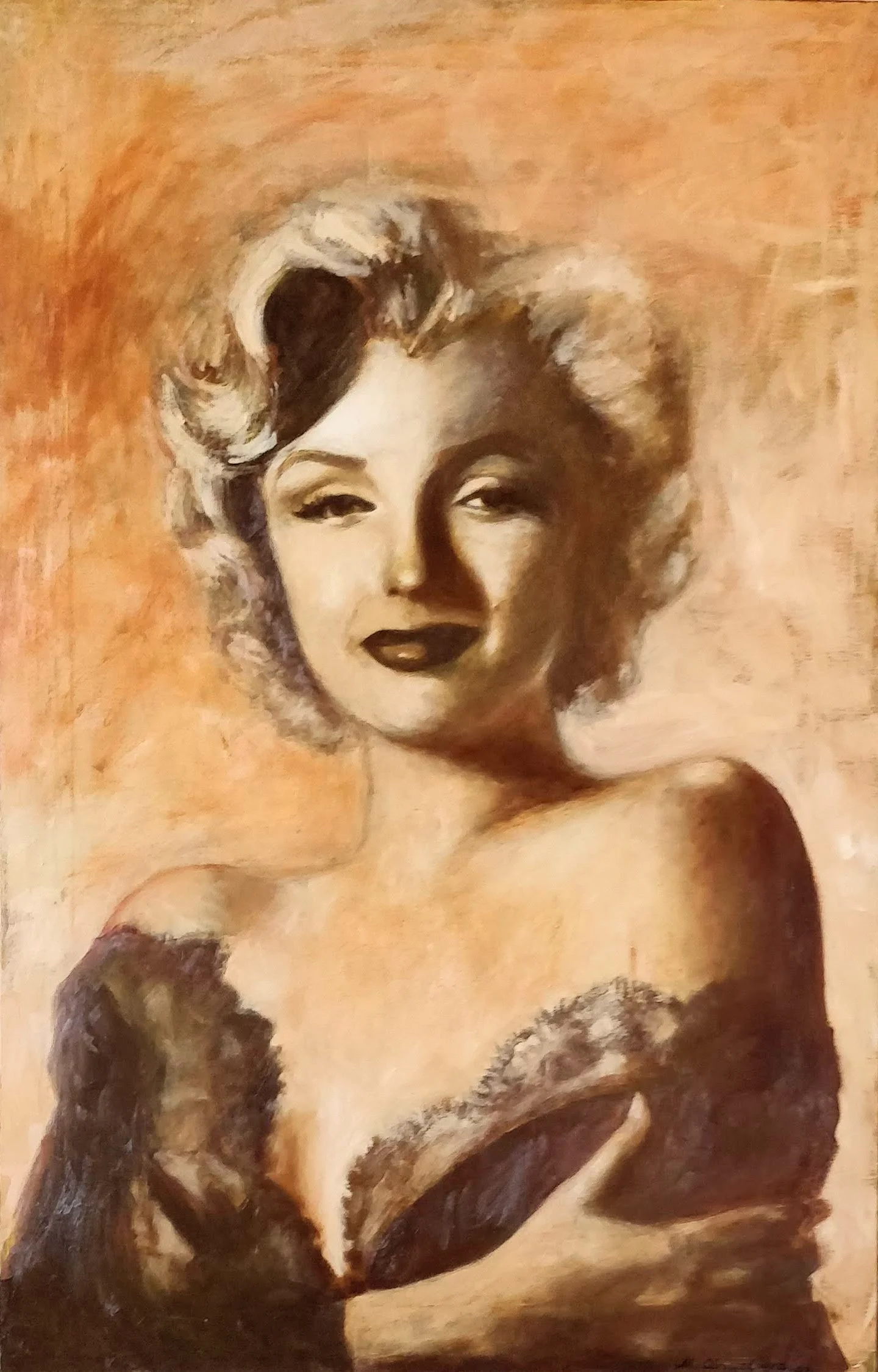
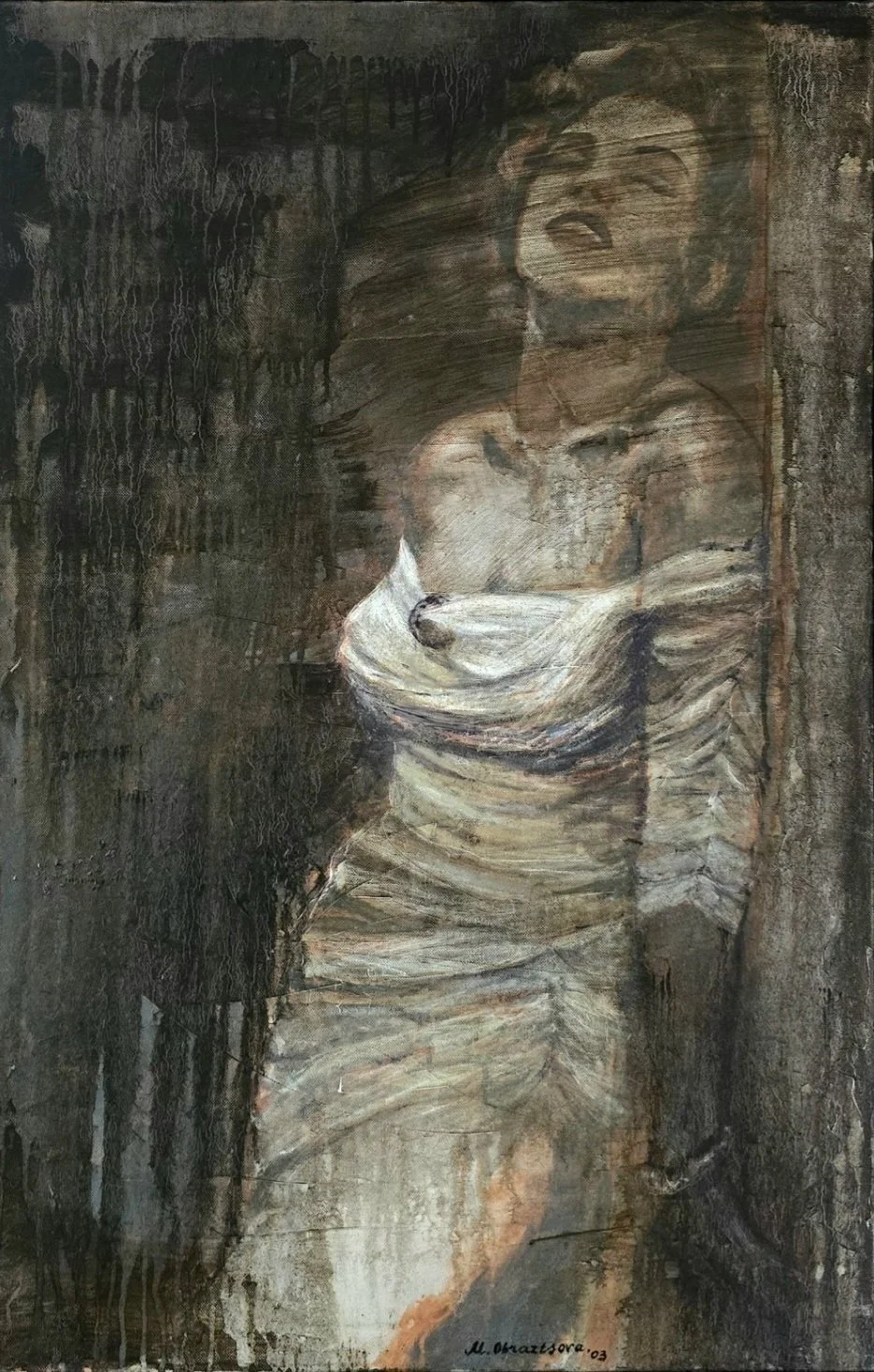
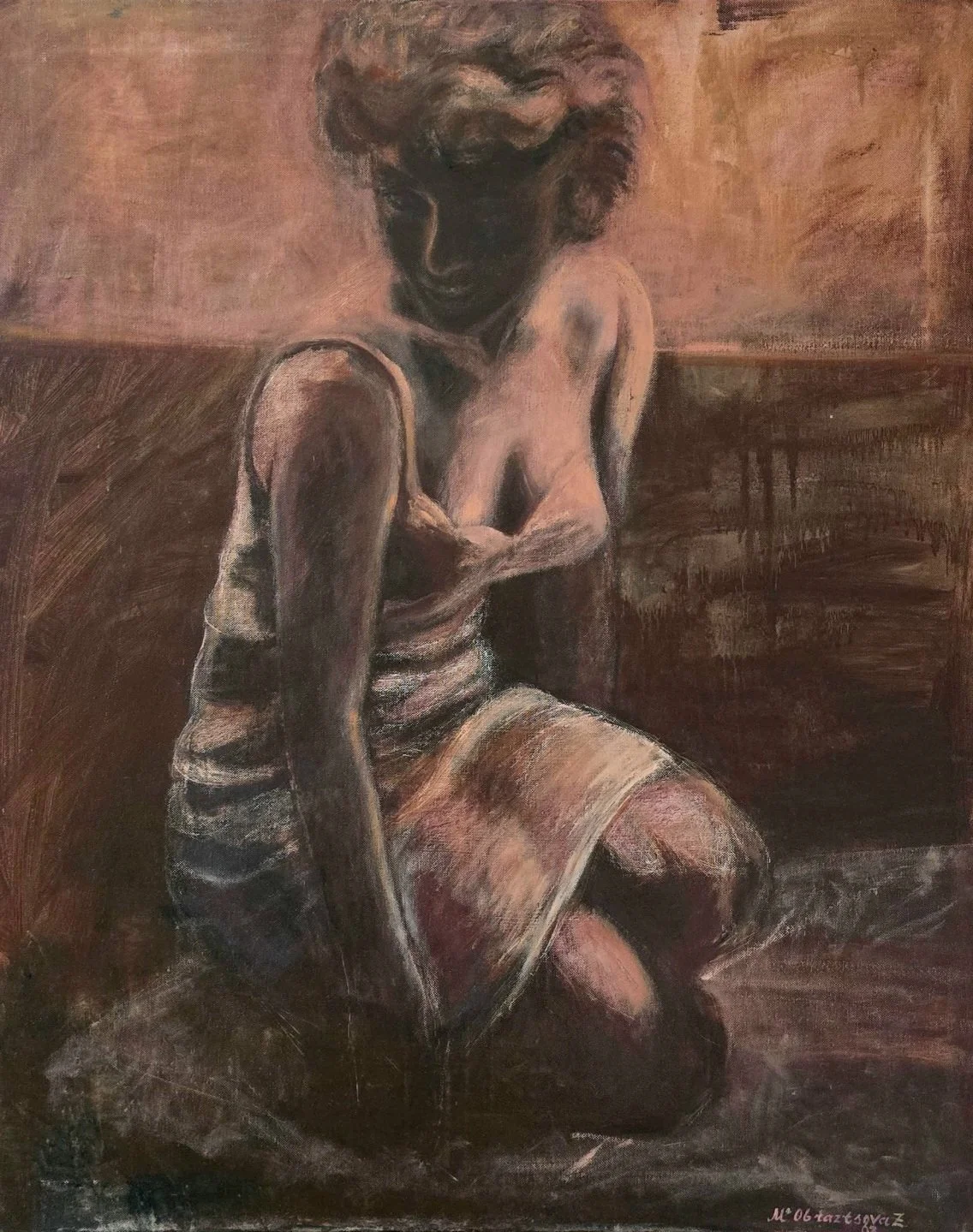
Marilyn III (2003)
The Beginning of My Artistic Journey
Discovering the Woman Behind the Icon
Marilyn Monroe was one of my earliest inspirations as a portrait painter. When I first began exploring portraiture, I was fascinated by the possibility of capturing not only a person's appearance, but also their emotions, inner world, and the invisible stories hidden behind their eyes. There was something about Marilyn that captivated me long before I truly knew her story. Her beauty was undeniable, yet I sensed something beyond it — a mysterious combination of radiance, vulnerability, and melancholy.
In 2002, at my first group exhibition organised by the American Woman's Club, I sold a triptych of three small paintings depicting Marilyn Monroe. It was an important moment in my early artistic journey, although I could not yet imagine how deeply her image would influence my future work.
My fascination grew when I discovered the book Marilyn Monroe and the Camera. Through its photographs and stories, I began to see beyond the glamorous image of the Hollywood star. Behind the dazzling smile was a woman searching for love, recognition, and a sense of belonging. Her extraordinary success existed alongside emotional struggles, painful relationships, and a profound vulnerability. What moved me most was the contrast between the woman admired by millions and the human being behind the carefully constructed image.
Marilyn was much more than a symbol of beauty. She was intelligent, ambitious, sensitive, and determined to be recognised as a serious actress. Yet her life reveals how difficult it can be to preserve one's identity in a world that constantly demands we become someone else. She reached extraordinary heights of fame, but her story raises a question that continues to resonate with me:
What is the meaning of conquering the world if we cannot find freedom within ourselves?
From Marilyn to the Woman-Bird
More than two decades later, I find myself returning to these questions through my projects The Spiral of Generations and Woman-Bird. My artistic language has changed, but my interest in the psychological complexity of women's lives remains. I explore the invisible bonds that can hold us captive: inherited patterns, emotional dependence, destructive relationships, and the fear of stepping beyond familiar boundaries.
When I think of Marilyn today, I see not only the tragedy of her life, but also the universal struggle between the desire to be loved and the need to remain oneself. Her story reminds me that external success does not necessarily bring inner freedom, and that even the brightest star may carry an invisible burden. Perhaps this is why the image of a woman learning to fly has become so meaningful in my work.
For me, transformation begins with awareness — the moment we recognise what binds us and discover the courage to choose another path..
The Freedom to Become Ourselves
When I painted Marilyn Monroe for the first time, I was searching for the soul behind a beautiful face. Today, I continue that search through symbolism, psychological narratives, and the exploration of feminine identity. I believe art can do more than portray suffering. It can open a space for recognition, reflection, and transformation.
Marilyn's story remains part of my artistic journey — a reminder of the fragile distance between being admired and being understood, between being desired and being loved, between appearing free and truly feeling free. And perhaps the most important freedom is the one we discover within ourselves.
The woman in my paintings is no longer waiting for someone to set her free. She is learning to fly.

An artist's visual reflection on Marilyn Monroe, inspired by the photographic collection Marilyn Monroe and the Camera, conceived by Lothar Schirmer and published by Schirmer/Mosel. Collage composition by Maria Obraztsova Zavrodina.