
The Pomegranate: A Symbol of Life, Mystery, and Transformation
Maria Obraztsova Z. - 10/03/23
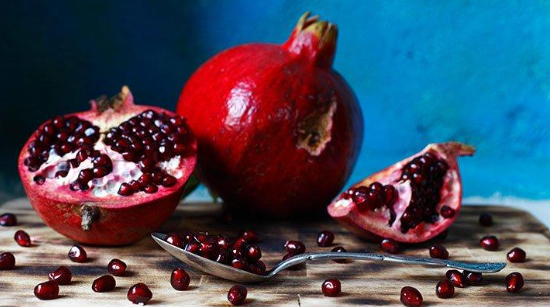
The Pomegranate: A Symbol of Life, Mystery, and Transformation
Few fruits have carried as much symbolic meaning throughout human history as the pomegranate. Revered for thousands of years across cultures, religions, and spiritual traditions, the pomegranate has become a universal symbol of life, fertility, abundance, death, rebirth, and hidden wisdom.
Its unique structure, containing hundreds of seeds protected within a single fruit, has inspired countless interpretations throughout history. More than a source of nourishment, the pomegranate became a powerful metaphor for the mysteries of existence itself.
An Ancient Symbol
The pomegranate is one of the oldest cultivated fruits known to humanity. Originating in the region stretching from ancient Persia to northern India, it spread throughout the Mediterranean world and quickly became embedded in mythology, religion, medicine, and art.
Its striking appearance, vibrant red color, and extraordinary abundance of seeds naturally connected it with ideas of fertility, prosperity, vitality, and creation.
Across civilizations, the fruit came to represent the hidden potential contained within life itself.
The Pomegranate in Greek Mythology
One of the most famous stories involving the pomegranate comes from ancient Greek mythology.
According to the myth, Persephone, daughter of the harvest goddess Demeter, was abducted by Hades and taken to the Underworld. Before she could return to the world above, she consumed several pomegranate seeds offered by Hades.
Because she had eaten the fruit of the Underworld, Persephone became bound to both worlds. She would spend part of the year with Hades and part of the year reunited with her mother.
This myth became an explanation for the cycle of the seasons, but it also transformed the pomegranate into a symbol of death, rebirth, transformation, and the eternal rhythm of life.
The fruit became associated with mysteries that connect endings and beginnings, darkness and light, loss and renewal.
The Sacred Fruit of Goddesses
Throughout the ancient Mediterranean, the pomegranate was often connected with powerful female deities.
The Greek goddess Aphrodite was associated with the fruit as a symbol of love, beauty, sensuality, and fertility.
In other traditions, the pomegranate represented the creative and life-giving powers of the Great Mother Goddess, embodying both physical fertility and spiritual abundance.
Its numerous seeds made it a natural symbol of creation, growth, and the infinite potential of life.
Symbol of Abundance and Prosperity
Because of its extraordinary number of seeds, the pomegranate became a universal emblem of abundance and prosperity.
In many cultures, it is still used during celebrations and New Year rituals as a symbol of good fortune, success, and future blessings.
The fruit reminds us that from a single source can emerge countless possibilities, making it a powerful symbol of creativity, manifestation, and growth.
The Pomegranate in Spiritual Traditions
The symbolism of the pomegranate extends far beyond fertility and abundance.
In Judaism, the fruit has long been associated with wisdom, righteousness, and divine blessings. Tradition holds that a pomegranate contains 613 seeds, corresponding symbolically to the 613 commandments of the Torah.
In Christianity, the pomegranate often appears in religious art as a symbol of resurrection, eternal life, and spiritual renewal. Renaissance artists frequently depicted the Christ Child holding a pomegranate, emphasizing themes of sacrifice, rebirth, and redemption.
In Islamic tradition, the pomegranate is mentioned in the Quran as one of the fruits of Paradise and is associated with divine generosity and blessing.
In Hindu traditions, it has been connected with prosperity, fertility, and renewal.
Across cultures, the fruit repeatedly appears wherever life, mystery, and spiritual transformation intersect.
The Hidden Symbolism of the Seeds
Perhaps the deepest symbolism of the pomegranate lies within its interior.
Beneath a hard protective shell lies a hidden universe of vibrant seeds.
For many spiritual traditions, this became a metaphor for the human soul.
What appears simple on the outside may contain extraordinary richness within.
Like the pomegranate, human beings often carry hidden potential, wisdom, creativity, and transformation beneath the surface of everyday life.
The fruit reminds us that true treasures are often discovered only when we are willing to look beyond appearances.
The Pomegranate in Art
Artists throughout history have been drawn to the pomegranate not only for its beauty but also for its profound symbolic resonance.
It appears in ancient mosaics, religious paintings, illuminated manuscripts, Renaissance masterpieces, contemporary art, and sacred symbolism.
Whether representing fertility, feminine power, spiritual awakening, abundance, or transformation, the pomegranate continues to speak a universal visual language that transcends cultures and centuries.
A Living Symbol
Today, the pomegranate remains one of humanity's most enduring symbols.
It speaks simultaneously of life and death, love and sacrifice, mystery and revelation, endings and new beginnings.
Perhaps this is why artists, mystics, and seekers continue to return to it.
Within its countless seeds lies a timeless reminder: every ending contains the seed of a new beginning, and within every individual exists a hidden potential waiting to unfold.