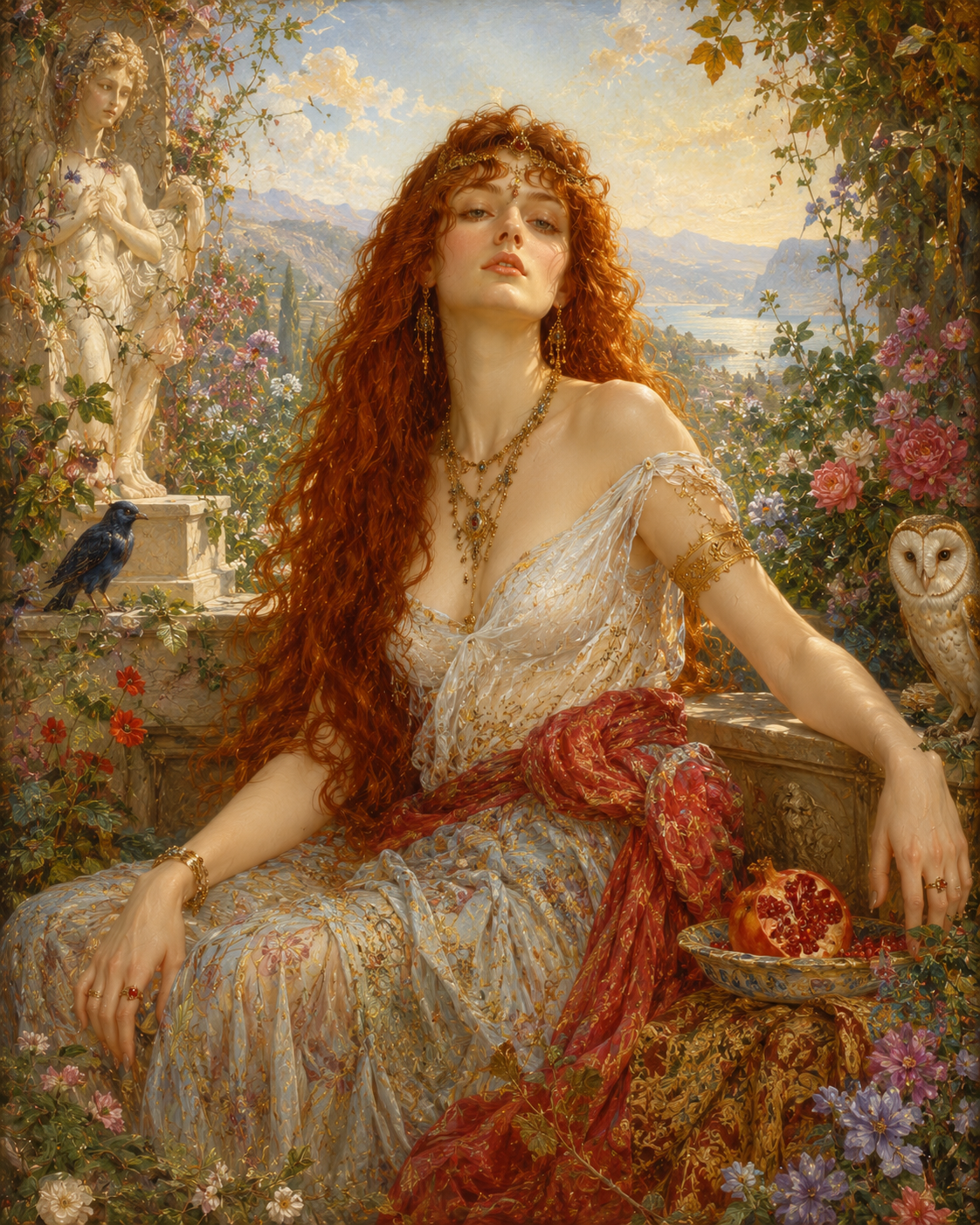
Lilith: The Eternal Rebel of Myth, Shadow, and Feminine Power
Maria Obraztsova Z. - 06/03/23
Few figures in mythology have inspired as much fascination, controversy, and reinterpretation as Lilith. Throughout the centuries, she has appeared as demon, goddess, temptress, outcast, protector, seductress, and symbol of feminine freedom. Her story has evolved across cultures and generations, transforming her into one of the most powerful and enduring archetypes in the collective imagination.
The Origins of Lilith
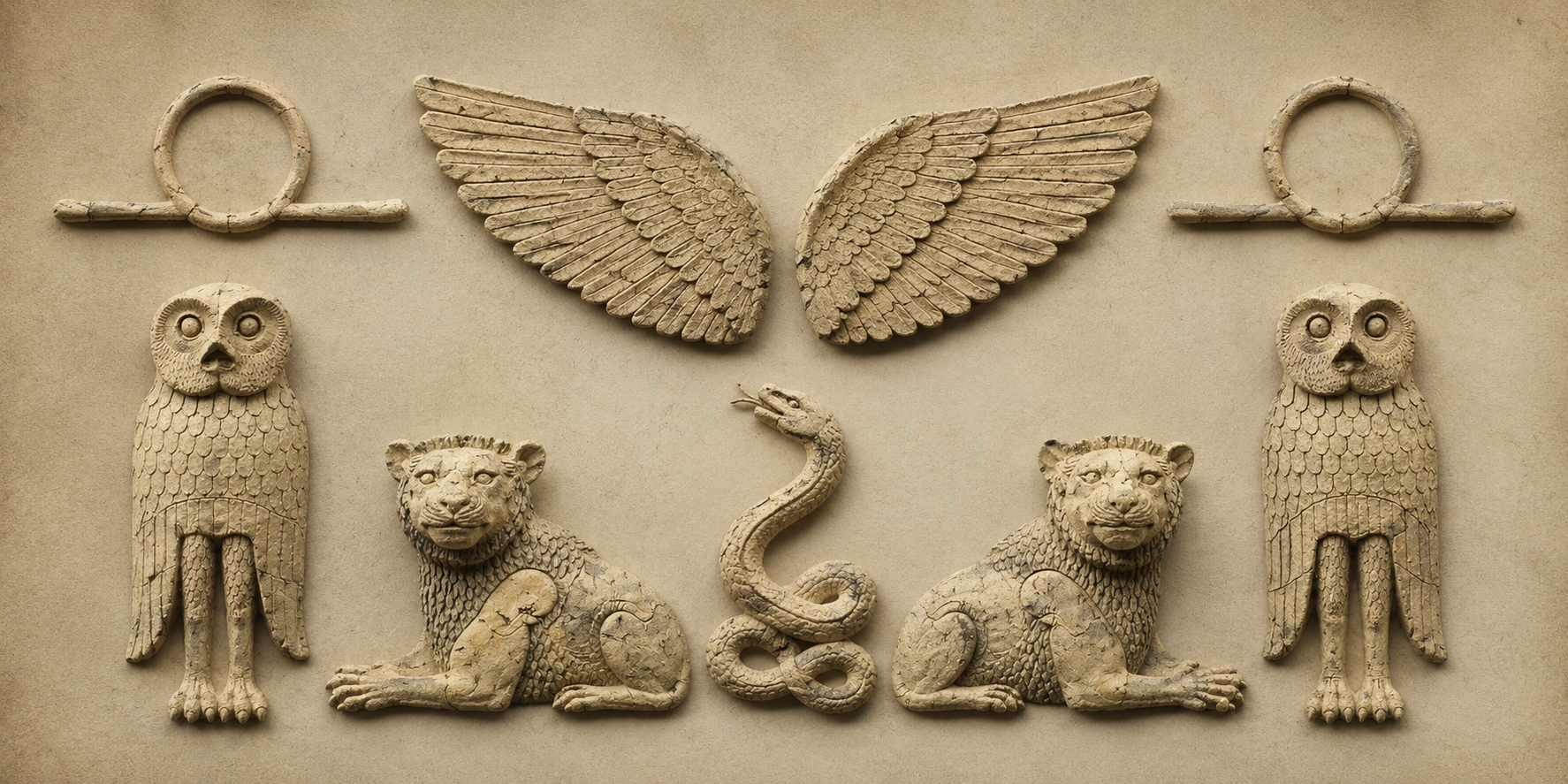
The origins of Lilith reach deep into the ancient world. Scholars trace elements of her story to Mesopotamian traditions that described female night spirits associated with wilderness, mystery, sexuality, and untamed natural forces.
The Lilith most people know today emerged much later through Jewish folklore and mystical traditions. In the medieval text known as the Alphabet of Ben Sira, Lilith appears as Adam's first wife, created from the same earth and at the same time as him.
Unlike Eve, who was later created from Adam's rib, Lilith considered herself his equal.
According to the legend, conflict arose when Adam demanded authority over her. Lilith refused to submit and insisted on equality. Rather than surrender her independence, she chose exile and left the Garden of Eden.
This decision would define her symbolic legacy for centuries to come.
More Than a Mythological Character
Lilith's story is remarkable because she refuses the role assigned to her. In many traditional narratives, obedience is rewarded and rebellion is punished. Lilith follows a different path. She chooses freedom despite the consequences. For this reason, different cultures have viewed her in dramatically different ways. To some, she became a dangerous demon, a threat to social order, and a warning against disobedience. To others, she became a symbol of courage, autonomy, and self-determination. This duality is one of the reasons why Lilith remains so compelling. She is both feared and admired. Condemned and celebrated. Rejected and embraced.
Lilith and the Feminine Shadow
The work of Carl Gustav Jung offers an intriguing perspective on Lilith's enduring appeal. Jung proposed that myths often express archetypes emerging from the collective unconscious, universal patterns that shape human experience across cultures. From a Jungian perspective, Lilith can be understood as an embodiment of the feminine shadow: aspects of the psyche that have been suppressed, feared, or excluded from conscious awareness. Throughout history, qualities such as independence, sensuality, anger, instinct, creativity, and personal power were often considered threatening when expressed by women. These qualities frequently became projected onto mythological figures portrayed as dangerous or forbidden.
Lilith embodies many of these rejected aspects. She represents the untamed feminine spirit that refuses to be controlled, diminished, or silenced.
Jean Shinoda Bolen and the Modern Feminine
Psychiatrist and author Jean Shinoda Bolen expanded upon Jung's ideas by exploring the psychological significance of female archetypes found in mythology.
Although Bolen focused primarily on Greek goddesses, her work helps illuminate why figures such as Lilith continue to resonate with modern women. Archetypes are not merely stories from the past. They remain active psychological patterns influencing identity, relationships, creativity, personal development, and life choices. Through this lens, Lilith becomes more than a legendary being. She becomes a symbol of authenticity, self-respect, personal sovereignty, and the courage to remain true to oneself despite external pressures.
From Demon to Symbol of Empowerment
Over the centuries, Lilith's image underwent a remarkable transformation. Religious traditions often emphasized her darker aspects, portraying her as a threat to order and morality. Modern artists, writers, psychologists, and spiritual thinkers have increasingly reinterpreted her story through a different lens. Rather than viewing her as a villain, many see her as a symbol of liberation. Her refusal to submit is no longer understood as rebellion for its own sake, but as an assertion of dignity and self-worth.
This reinterpretation has made Lilith a powerful symbol within contemporary discussions about identity, freedom, creativity, and personal empowerment.
Lilith in Art and Culture
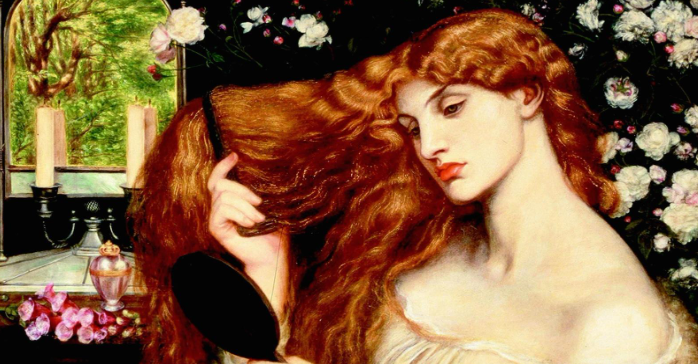
Artists have been captivated by Lilith for centuries. She appears in paintings, literature, sculpture, film, fantasy art, and contemporary spiritual imagery. Sometimes she is depicted as a dark seductress, sometimes as a goddess, sometimes as a warrior, and sometimes as a mysterious guardian of hidden knowledge. Yet beneath these changing appearances, the same symbolic essence remains. Lilith represents the force that refuses to conform. The voice that questions imposed limits. The instinct that seeks freedom. The part of the soul that chooses authenticity over acceptance.
The Enduring Mystery of Lilith
Perhaps Lilith continues to fascinate us because she cannot be easily defined. She lives between light and shadow, creation and destruction, love and solitude, freedom and exile. She challenges simple categories and easy answers. For some, she is a cautionary tale. For others, she is a heroine. For many, she is both.
More than a mythological figure, Lilith has become an enduring symbol of the human struggle for freedom, self-expression, and the integration of those parts of ourselves that society has often taught us to hide.
And perhaps that is why, after thousands of years, her story still speaks to us.